Essential Oils Beyond the Basics
Go past the how-to: the history behind essential oils, their place in meditation and gifting, sustainability questions, and cultural traditions worldwide.
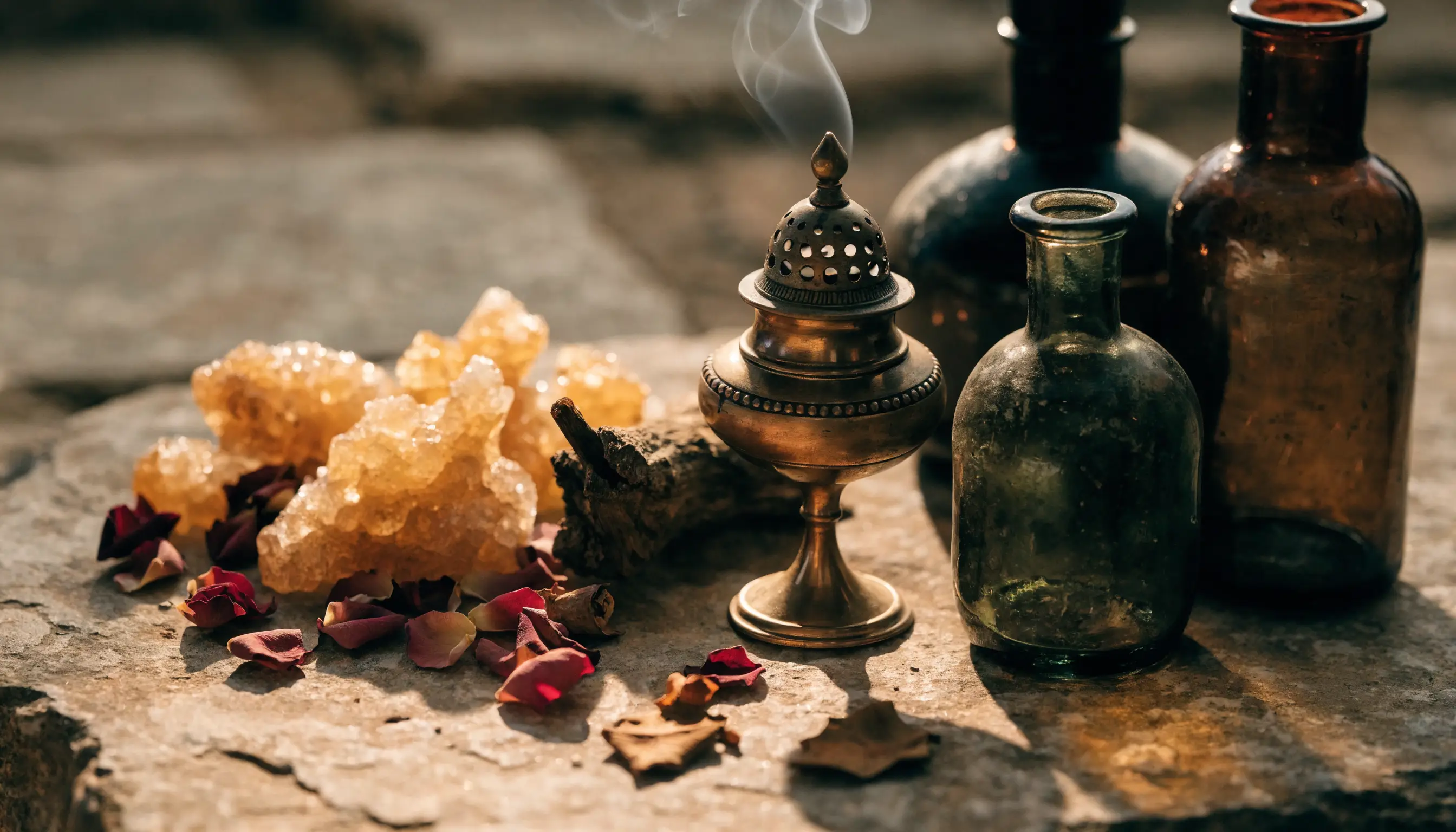
Essential oils are more than a modern wellness product. They sit within a deep human tradition of working with aromatic plants that spans continents, centuries, and cultures. They connect to meditation and mindfulness, raise important questions about environmental sustainability, inspire creative gift-giving, and reveal fascinating insights about how different civilizations have related to the aromatic world of plants.
This guide explores the rich, creative, and niche dimensions of essential oils that most blogs never touch — the stories, the ethics, the artistry, and the global heritage behind every bottle.
A Long Aromatic History
Humans have worked with fragrant plants for a very long time, though the essential oils we buy today — steam-distilled or expressed concentrates — are a much more recent invention. It helps to separate the two: aromatic and botanical practice is ancient, while the isolated oils in your cupboard mostly date from the last few centuries.
Ancient Egypt is often described as a cradle of systematic aromatic practice. Priests burned frankincense and myrrh in temple ceremonies, embalmers used aromatic resins in mummification, and, by tradition, figures such as Cleopatra are said to have used rose and jasmine preparations in their beauty rituals. Temple carvings preserve recipes for kyphi, a complex incense blend of many botanical ingredients — one of the oldest aromatic recipes we know of, though surviving versions vary.
In India, Ayurvedic tradition has long incorporated fragrant plants and infused oils into massage, bathing, and spiritual practice. Chinese herbal texts — some traditionally attributed to very early dates — describe aromatic preparations. The Greeks and Romans borrowed extensively from earlier knowledge, and the word "lavender" is usually traced to the Latin lavare, "to wash," reflecting its long association with bathing and cleanliness.
A pivotal technical breakthrough came around the tenth century, when the Persian physician Ibn Sina (Avicenna) refined steam distillation, improving how aromatic waters and oils could be produced. Much later, the modern term "aromatherapy" was coined in 1937 by French chemist René-Maurice Gattefossé — an anecdote about his treating a laboratory burn with lavender became part of aromatherapy's founding lore rather than proof of anything (Gattefossé Foundation).
Mindfulness and Meditation
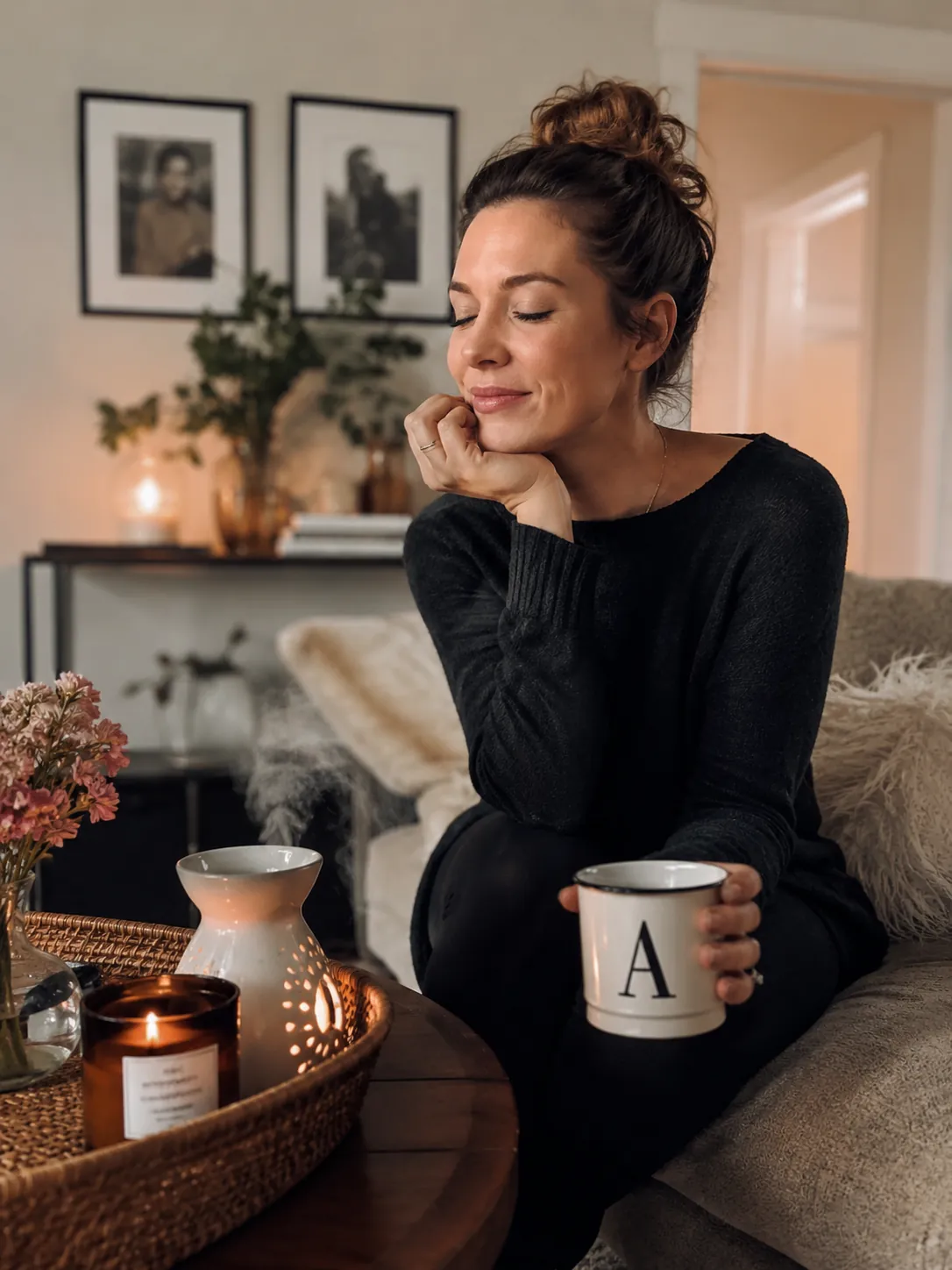
Scent can be a powerful sensory anchor for meditation. The olfactory system's direct connection to the limbic brain means that a consistent meditation scent may become a conditioned trigger for a focused, settled state. When you use the same oil every time you meditate, your brain builds an association between that aroma and the calm you cultivate during practice — so, over time, the smell alone can help cue that state.
Frankincense has been used in contemplative practice for a very long time. Some early laboratory research has looked at incensole acetate, a compound found in frankincense, and its effect on certain brain ion channels in animal and cell studies — an interesting molecular clue, but not evidence that inhaling the oil produces a particular health effect. It's also worth noting that steam-distilled frankincense essential oil is chemically different from the resin extracts used in much of the "boswellic acid" research, so those findings don't transfer to the oil (Tisserand Institute). Sandalwood, cedarwood, vetiver, and palo santo are other oils many people find pleasant for quiet practice.
If you like a ritual cue, you can pre-dilute frankincense into a roller at 2% or less — roughly 12 drops per 30 ml (1 oz) of carrier oil — and apply a little to your wrists before sitting. Cup your hands, take three slow breaths, and let that mark the boundary between your busy day and your meditation time. This is not medical advice; if you're pregnant, unwell, or unsure, check with a qualified professional first.
Sustainability and Ethics
The environmental cost of essential oil production is rarely discussed but genuinely important, because many oils demand enormous amounts of plant material. Rose oil is the classic example: figures are often cited to illustrate just how much petal mass goes into a tiny amount of oil, and while the exact ratios vary by species and method, the point stands that it takes a great deal of harvest for very little oil.
Species status varies widely, so it's worth being specific rather than lumping "endangered oils" together. Indian sandalwood (Santalum album) is listed as Vulnerable on the IUCN Red List after heavy harvesting. Rosewood (Aniba rosodora, syn. A. rosaeodora) was so overexploited in the Amazon for its oil that it is classified as Endangered (Kew, Plants of the World Online).
Because status is species-specific, be cautious with "just swap to X" advice — some popular substitutes are themselves threatened. Atlas cedarwood (Cedrus atlantica), for instance, is also listed as Endangered, so it is not a safe "sustainable" default. Rather than trusting any species to be automatically ethical, look for suppliers with transparent, traceable supply chains, credible sourcing information, and third-party certifications, and ask where and how a given oil was produced. You can also reduce waste by storing oils properly to extend their life, recycling glass bottles, and repurposing aging oils for household cleaning rather than discarding them.
Creative Gift Ideas
Essential oil gifts are personal, creative, and surprisingly affordable. A custom roller blend set — three to five pre-diluted blends for calm, energy, restful evenings, or focus, in labeled glass bottles — is inexpensive to make from basic materials. Keep every roller at 2% dilution or less (about 12 drops of essential oil per 30 ml of carrier), stay within each oil's own recommended maximum, and skip anything unsuitable for leave-on skin contact (for example, keep peppermint away from the face, and don't put cinnamon, clove, or expressed citrus oils in a leave-on roller).
A diffuser starter set — a quality diffuser plus a few versatile oils — makes an ideal gift for someone curious about aromatherapy. Include a short note on gentle use: run the diffuser intermittently in a ventilated room, and keep it away from pets, birds, and young children, since oils such as tea tree, eucalyptus, peppermint, and citrus can be harmful to cats and birds (ASPCA). A spa-night basket with a homemade sugar scrub, a scented candle, a soft towel, and a self-care guide turns simple ingredients into a thoughtful, luxurious experience. Always include a small safety card with dilution guidance — it shows real care.
Cultural Traditions Around the World
In Oman and the Arabian Peninsula, frankincense is still burned daily in homes and mosques as a sign of purification and hospitality. In Japan, Kōdō — "the way of incense" — is a refined ceremonial art in which participants "listen" to fragrance rather than simply smelling it. Incense appreciation in Japan reaches back well over a thousand years, arriving with Buddhism, while Kōdō as a formalized art took shape several centuries ago during the Muromachi period. The verb used for this attentive smelling is monkō, and Kōdō stands alongside the tea ceremony and flower arranging as one of Japan's classical arts of refinement.
Across the Americas, many Indigenous peoples have long used plants such as white sage, cedar, sweetgrass, and palo santo in cleansing and ceremony — living practices that center a spiritual relationship between people and plants, and that deserve to be approached with respect rather than treated as trends. Both white sage and palo santo now face sustainability pressure from commercial demand, so if you use them, seek genuinely ethical, traceable sources and consider supporting Indigenous suppliers. Mediterranean herbal traditions, meanwhile, wove rosemary, thyme, and myrtle into folk remedies, cooking, and household care for generations. Every bottle of essential oil connects you to this vast, global heritage.
Interesting Facts
When Tutankhamun's tomb was opened in 1922, popular accounts describe alabaster jars of aromatic ointment that were said to still carry a faint scent after more than 3,000 years. It's a wonderful story and a nice illustration of how some plant-derived materials persist — though it's best treated as popular retelling rather than a measured result.
Kōdō rewards a very different sensibility from Western perfumery. Where much modern perfume prizes projection and trail, Kōdō values subtlety, transience, and meditative attention — participants sit quietly and focus entirely on the evolving character of a single aromatic wood.
Gift sets and starter kits are a popular way into aromatherapy, especially around the holidays — a reminder that, for many people, essential oils begin not as a remedy but as a small, sensory pleasure and a doorway into a long human tradition.
Safety note: This article is cultural and general-interest information, not medical or veterinary advice. Essential oils are concentrated; dilute properly, patch test, keep them away from pets, birds, and young children, and consult a qualified healthcare or veterinary professional before using them for any health-related purpose.
References
For education only — not medical or veterinary advice. Essential oils are not intended to diagnose, treat, cure, or prevent any condition. Always patch-test and consult a qualified professional before use during pregnancy, on children, with pets, or with a health condition.